The Significance of Foundry Services for Quality Metal Manufacturing
Foundry solutions hold a vital position in the realm of metal production. They facilitate the transition of raw materials into premium-quality components through accurate casting and molding techniques. Qualified specialists are vital in this process, as they work to minimize defects and implement stringent testing. Comprehending how these services contribute to overall product quality provides insight into their broader implications in manufacturing efficiency and market competitiveness. What lies beyond this initial framework?
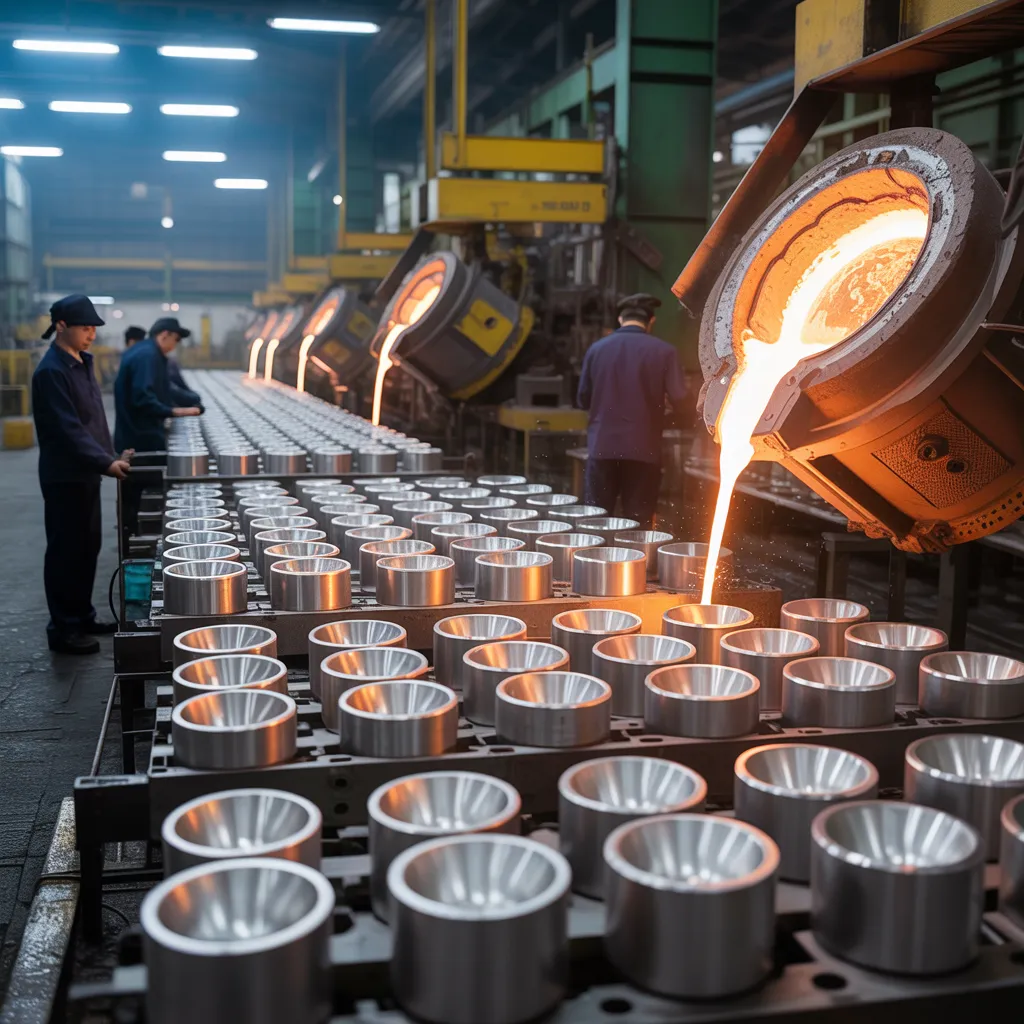
Comprehending the Fundamental Role of Foundry Services in Metal Manufacturing
Although several individuals could underestimate the relevance of foundry services, they perform a critical role in the metal manufacturing industry. Foundry services encompass diverse processes, including casting, molding, and finishing, which are critical for creating high-quality metal components. These services facilitate the transformation of raw materials into usable forms, enabling manufacturers to create intricate shapes and designs that comply with specific industry standards.
Moreover, foundry services support the production of a broad spectrum of metals, including aluminum, steel, and bronze, all requiring specialized techniques and expertise. The precision obtained through these services not only enhances the performance of final products but also contributes to the overall efficiency of manufacturing operations. By understanding the fundamental role of foundry services, stakeholders in the metal manufacturing sector can comprehend how these processes serve as the basis of the creation of trustworthy, durable components, finally influencing the success of numerous applications in different industries.
Top Benefits of Foundry Services for Delivering Quality Control
Foundry services considerably strengthen quality control in metal manufacturing, as they employ precise techniques and demanding standards throughout the fabrication process. A key advantage is the expertise of skilled professionals who manage every stage, guaranteeing adherence to specifications and reducing defects. Moreover, foundry services employ comprehensive testing methods, including dimensional checks and material analysis, which confirm the quality of the produced components.
Another key benefit is the use of modern materials and procedures designed for specific applications, which leads to better durability and performance of the final products. Consistency is also realized through established protocols study that minimize variability, providing uniformity in production.
Additionally, foundry services enable streamlined feedback loops, allowing for swift identification and remediation of issues, thereby improving overall product dependability. In the end, these aspects result in a higher level of customer approval and trust, making foundry services indispensable for securing and sustaining quality control in metal production.
How Technology Enhances the Benefits of Foundry Services?
Technology considerably improves foundry services by introducing advanced casting techniques that boost precision and efficiency. Moreover, real-time quality monitoring systems allow for immediate feedback and adjustments, confirming that manufacturing standards are consistently met. These technological advancements not only streamline processes but also enhance the overall quality of metal products.
Professional Casting Procedures
As industries evolve, advanced casting techniques emerge as a crucial component in improving the benefits of foundry services. These techniques, including investment casting, lost foam casting, and 3D printing, utilize state-of-the-art technology to enhance precision and minimize waste. By implementing cutting-edge materials and automated processes, manufacturers can achieve complex geometries that were previously unreachable. This not only increases the quality of the final products but also decreases lead times, enabling faster market responsiveness. Additionally, these approaches enable customization, enabling clients to receive bespoke solutions that satisfy specific requirements. Overall, the adoption of cutting-edge casting techniques substantially enhances production efficiency and quality assurance, establishing a competitive edge for foundry services in the metal manufacturing landscape.
Live Standards Monitoring
In contemporary metal fabrication, the integration of real-time quality monitoring systems substantially boosts the effectiveness of foundry services. These systems employ advanced sensors and data analytics to continuously assess production processes, guaranteeing that specifications are met at every stage. By providing real-time feedback, manufacturers can swiftly identify and address defects, lowering waste and enhancing overall efficiency. This proactive approach decreases downtime and elevates product quality, ultimately driving higher customer satisfaction. Furthermore, real-time monitoring empowers manufacturers to maintain compliance with industry standards and regulations. As a result, the adoption of these technologies not only enhances the foundry's operational capabilities but also strengthens its competitive edge in the market.
Boosting Product Resilience and Performance Through Foundry Services
As numerous sectors pursue cutting-edge approaches to improve product longevity and functionality, foundry services stand out as an essential component in achieving these objectives. By utilizing advanced casting techniques and materials, foundries can create components with superior strength and resilience. The use of premium alloys and precision casting processes assures that the final products can withstand harsh conditions and stresses, considerably extending their lifespan.
Additionally, foundry services implement strict quality control measures throughout the manufacturing process, guaranteeing that each component meets stringent performance specifications. This attention to detail not only increases the durability of the products but also maximizes their functionality in diverse applications. Additionally, custom foundry solutions enable tailored designs that meet specific industry requirements, further boosting overall performance. In this way, foundry services play a vital role in enhancing the durability and effectiveness of metal products across diverse sectors, from automotive to aerospace.
The Financial Benefits of Investing in Professional Foundry Services
Purchasing professional foundry services can deliver substantial financial gains for businesses aiming to improve their manufacturing capacity. By leveraging expert knowledge and advanced technologies, companies can reduce production costs through enhanced efficiency and limited waste. Professional foundries commonly provide tailored solutions that optimize the design and manufacturing process, creating superior-quality products that satisfy demanding industry standards.
In addition, outsourcing foundry services permits businesses to focus on core competencies, releasing resources for innovation and growth. This strategic investment can also lead to faster turnaround times, enabling companies to respond promptly to market demands. In addition, the expertise of professional foundries can decrease the risk of costly errors, which often occur due to inexperienced handling of complex metal formulations. Finally, the financial implications of investing in professional foundry services transcend immediate cost savings, fostering long-term sustainability and competitive advantage in the manufacturing landscape.
Actual Success Stories of Foundry Services in Metal Manufacturing
Success stories are plentiful in the field of metal manufacturing, illustrating how companies have revolutionized their operations through the use of professional foundry services. One noteworthy example is a leading automotive manufacturer that encountered production delays due to inconsistent metal quality. By working with a specialized foundry, they optimized their supply chain efficiency and significantly reduced defects, leading to a 30% increase in production output.
Likewise, a machinery firm struggling with high costs and material waste moved to a foundry celebrated for its precision casting abilities. This partnership not only decreased material expenses but also boosted product durability, yielding a 25% rise in customer satisfaction ratings.
These cases demonstrate that dedicating funds to professional foundry services can lead to significant operational enhancements, cost benefits, and elevated product quality. These success stories underscore the essential role that foundry services play in the competitive landscape of metal manufacturing.
Questions & Answers
Which Types of Metals Are Generally Used in Foundry Services?
Foundry services typically utilize multiple metals, including bronze, steel, cast iron, and aluminum. These materials are opted for for their particular properties, which provide the performance, durability, and strength of the final cast products.
How Do I Select the Best Foundry Service Provider?
To pick the right foundry service provider, one should evaluate their experience, technology, quality certifications, and customer reviews. Evaluating pricing and lead times can also help guarantee alignment with specific project requirements and expectations.
What Common Challenges Are Faced in Foundry Services?
Common challenges in foundry services include unstable material quality, equipment maintenance problems, labor shortages, volatile raw material costs, and regulatory compliance. These factors can substantially impact production efficiency and the overall quality of metal castings.
What is the Typical Duration of the Foundry Process?
The foundry process typically takes multiple weeks to several months, based on the complexity of the design, material type, and manufacturing quantity. Variables including mold creation and finishing processes can substantially determine the complete schedule.
Do Foundry Services Support Environmental Sustainability?
Foundry facilities may be sustainable when utilizing sustainable practices, such as material recycling and implementing energy-efficient technologies. However, the total impact relies on individual processes and conformity to environmental regulations within the industry.
Comments on “Commercial Metal Castings”